When can you start training a puppy?
Find out how to start your dog's learning process.
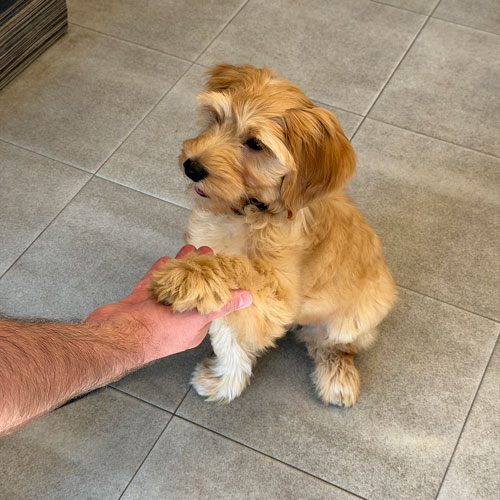
THE IMPORTANCE OF DOG TRAINING
Estimated reading time: 8 minutes
When it comes to dog training, many people still think of amazing tricks, professional competitions or service dogs. However, training your dog is not an option or an extra in your dog's upbringing: it is your responsibility to ensure a happy and balanced life for your dog. A dog that does not receive any training or boundaries will have bad habits in the future, which could make it very difficult to live with other dogs at home and in the street.
Training a dog is a lifelong task, because, just like people, who never stop facing new obstacles and learning new things, dogs can also undergo changes that make a new learning process necessary. But what is the ideal age to start training your pet?
Table of contents
1. The importance of early training for your dog
The importance of early training for your dog
When a puppy is born, they spend their first days of life very close to their mother and siblings, as is only natural. Dogs are pack animals and are dependent on their parents. At this stage, it is very important not to separate the puppy from their litter so that they lear the basic communication codes of their species.
From 8-9 weeks of age, when the puppy arrives home, is when we can begin to establish the first rules, but always in proportion to their age. At no stage of our dog's life is it advisable to force them during training, but this is especially important during puppyhood. Any unpleasant or very intense situation they experience at this stage could cause trauma, so the first steps of training should be like a game. Let's look at how you can start training your puppy once they are independent of their litter.
• Bite control
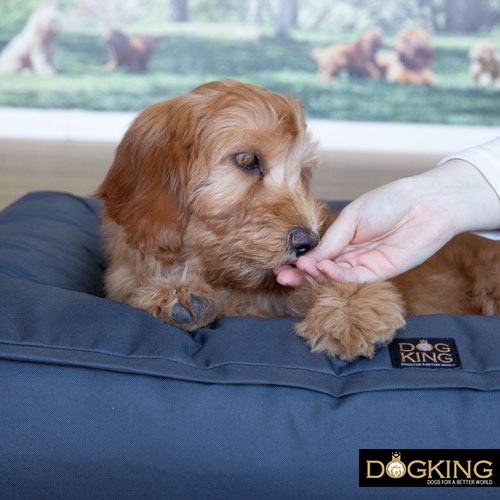
Puppies begin to develop bite control as early as the litter, when their mothers set the limits in play with their siblings. However, from 8-9 weeks we can reinforce this learning by interacting with our pet. It is very common for puppies to try to nibble on our hands when we handle them. It is their way of exploring the world and playing. It is at these times that we need to work on controlling their bite.
If your puppy tries to nibble on you, separate your hands so that they understand that this is not the way to play with you and redirect them to a toy to satisfy their biting instinct.
• Use the soaker
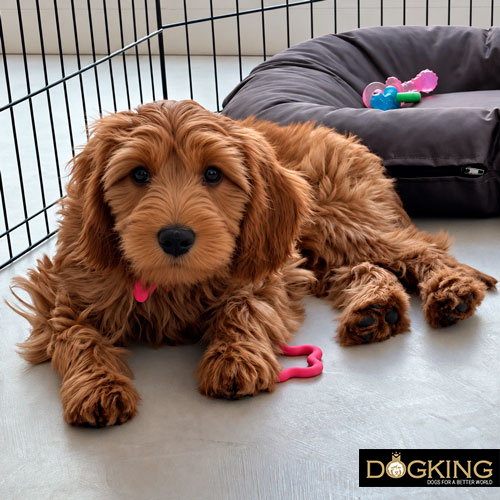
Another thing you can and should teach your dog from the moment they arrive at home is to use the soaker to do their business. Place them in a secluded spot in their playpen (which is where they should rest whenever we cannot supervise them)and take them to this area after meals, which is when they are most likely to need to wee or poo, or if you see them circling and sniffing the floor, a sure sign that they are about to have a bowel movement. Again, positive reinforcement will be the key to success. Congratulate or reward your pet with a little food or a snack after each success, but do not scold or punish them if they fail, as this is totally counterproductive.
• Tolerate loneliness
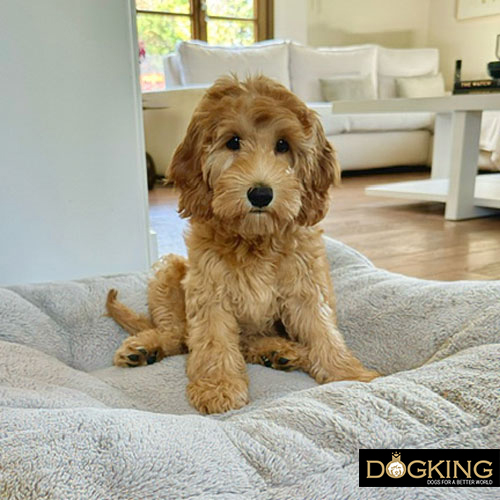
If you have a puppy, it is very important that you do not leave them alone for long periods, but you can get them used to small absences so that they can tolerate solitude. If you are glued to your puppy all the time and do not work on their independence, you could cause them disorders such as separation anxiety, which will cause them great suffering when one day, suddenly, you are absent for several hours to go to work. A good exercise is to put them in their playpen, which will be their safe zone, and leave the room for a few minutes. Try to wait until your furry friend is calm before coming back in, in case they have started to whine or bark. If they remain relaxed during your brief absence, reinforce their good behaviour with lots of petting or a treat.
• Respect boundaries

Every household has its own rules and boundaries for dogs. Take advantage of your pet's young age, when they are still malleable and flexible, to teach them what they can and cannot do. You can show them all these rules by saying ‘no’ when they behave in an undesirable way, guiding them to do as you wish (taking them out of the room, giving them a chew toy or putting them down from the table, for example), and rewarding their good behaviour as they learn to act as you expect them to.
• Learning to walk
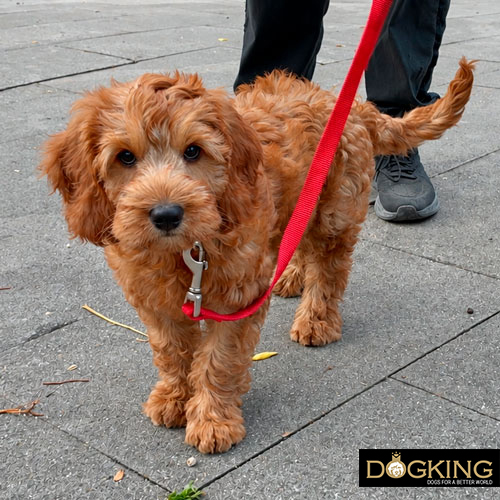
Even if your puppy is not yet fully vaccinated and cannot go outside, you can begin to train them to use the collar and lead, so that later on they will be able to walk calmly by your side outside. First, show them the collar, preferably nylon, so that they can smell it and recognise it, and then put it around their neck and reward them with caresses so that they understands that it is something positive and harmless for them. Do the same with the leash. When you see that they are comfortable, pick them up and start walking and encourage your puppy to follow you, rewarding them with constant petting. You can place an obstacle to show them where you want them to go, stop them at home without tugging, lead them back to you with a signal, it could be kisses.
• Basic signs
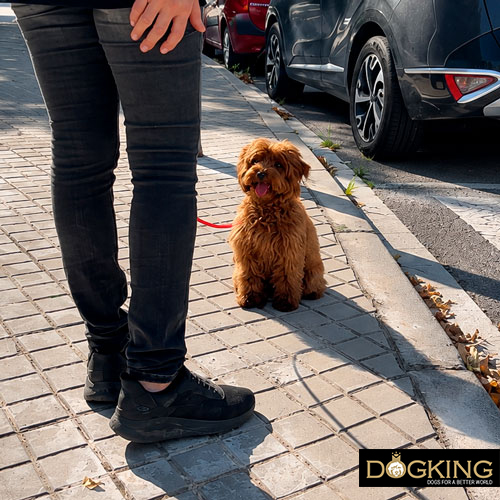
At this stage you can also start to teach your pet some basic signals, such as ‘stay’, ‘sit’ or ‘come’, although don't be too demanding for the moment. At this early age, the puppy has a lot of energy and less ability to concentrate, but it is not a bad idea to start learning some commands and practise little by little, increasing the difficulty progressively.
• Socialisation
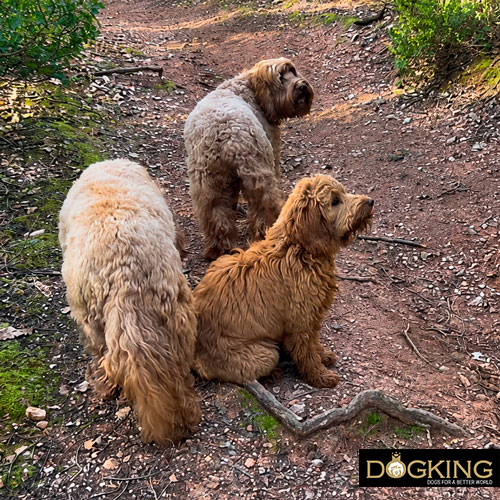
Socialisation is a fundamental part of your pet's training. And no, it is not just a question of taking them out into the street to meet other dogs, something that, of course, will be very necessary and advisable as soon as they have the necessary vaccinations. But for the time being, you can socialise your puppy at home by exposing them to all kinds of situations. For example, getting them used to visitors, to being in their park or to interactive games, which are very beneficial for their mental stimulation.
Benefits of early training
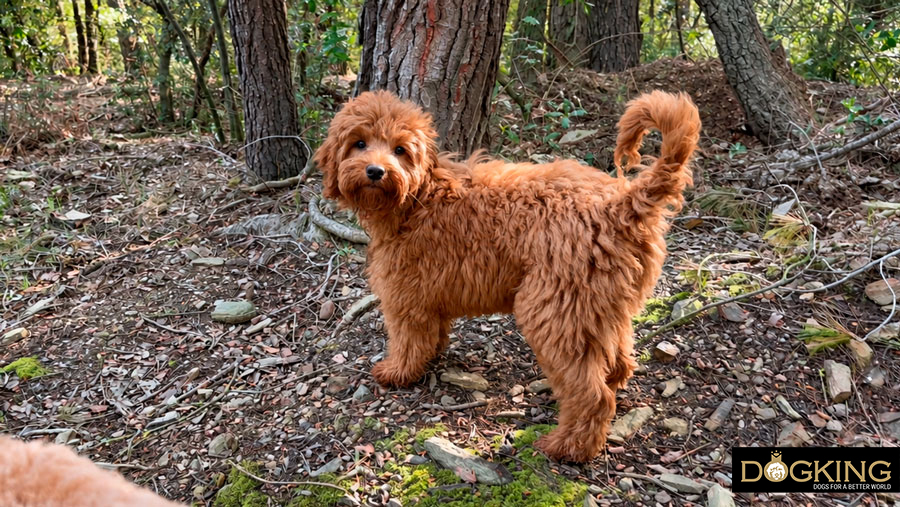
As long as it is carried out with a demand proportional to the dog's young age, with affection, patience and, of course, without forcing the puppy, early dog training has many advantages. It generates new neural connections in the dog, prevents behavioural disorders and helps them to feel more secure and confident. Moreover, by training our puppy we will get to know their limits, the temperament they are developing and we will learn to communicate with them. Not to mention that it is an excellent way to strengthen the human-dog bond.
Waiting too long when training a puppy can cause certain behaviours to become ingrained, which, in adulthood, will be more difficult to correct. In addition, if we start training and socialising the dog at an early age, they will be more flexible to new situations in the future and much more receptive to new learning.
You know, you can start training your puppy from 9 weeks of age, once they become more independent from their litter, but you must do it with a lot of patience, understanding and forgetting about punishments and shouting. Practice positive reinforcement and talk to your family so that you are all on the same page and do not send contradictory signals to your puppy. With a joint effort and a lot of love we are sure that you will raise a balanced, confident, calm and very happy dog.