Why does my dog eat grass?
Purging may be one cause, but it is not the most common explanation.
DO ALL DOGS EAT GRASS?
Approximate reading time: 8 minutes
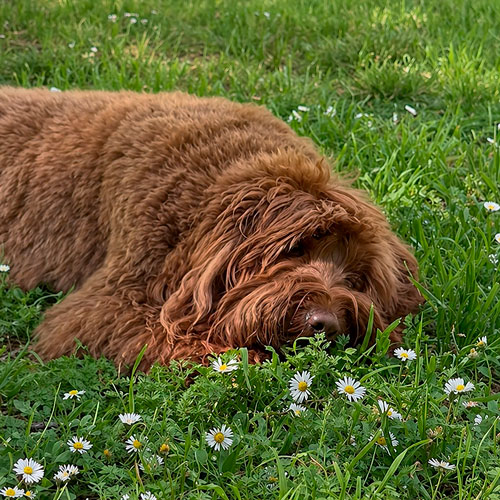
Does your dog go crazy for grass and every time you go for a walk they try to eat some? The truth is that this behaviour is very common in dogs, so much so that it is estimated that 8 out of 10 do it. But why do dogs enjoy eating grass? In recent years, several scientific studies have investigated the reasons for this curious and widespread habit in dogs. Traditionally, it has been believed that dogs eat grass simply to purge themselves when something has upset them, they have digestive problems or there is an object stuck in their stomach. Grass contains substances that are irritating to the mucous membranes of the stomach, so ingesting grass may cause the dog to vomit, relieving their discomfort. However, since this behaviour is so common in most dogs, there appear to be other causes of grass eating.
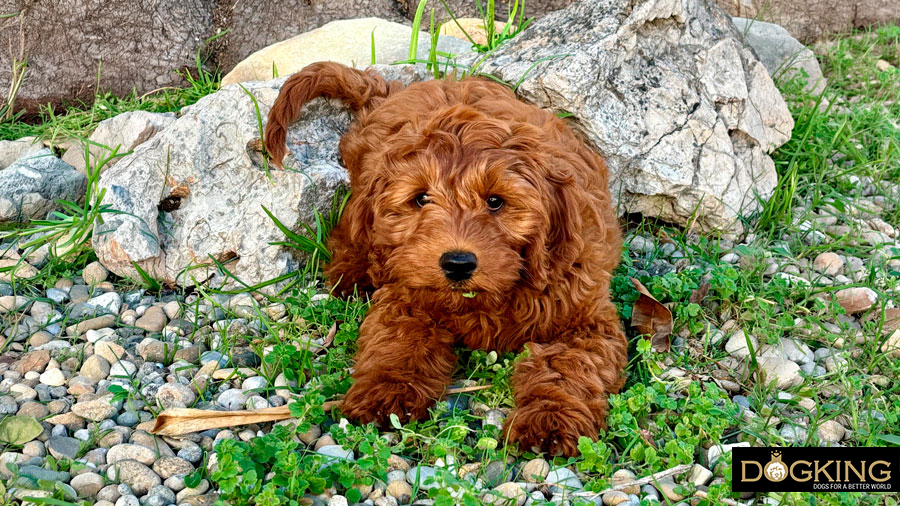
Table of contents
1. Reasons why your dog eats grass
2. Is it bad for my dog to eat grass?
3. Dogs that eat grass out of boredom
Reasons why your dog eats grass
Dogs are omnivorous animals, although the basis of their diet is animal protein. However, most of them take great pleasure in chewing and swallowing the grasses that come their way. In addition to the issue of purging, it has also been studied that they may do this to obtain nutrients and fibre to alleviate a nutritional deficiency, in the same way that their ancestors the wolves obtained them from the herbivorous prey they hunted (which contained these substances in their stomachs). However, a dog with a varied diet and no nutritional deficiencies should not need this extra intake. The habit of eating grass is so prevalent in dogs that it seems clear that it is instinctive, even if there is sometimes a need to purge or a deficient diet behind it. But what else explains dogs' taste for grass?
• Explorer instinct

Dogs are natural explorers. Their instinct leads them to recognise their surroundings, especially through their sense of smell. Finding these herbs in their path can be very interesting for a dog. It is very likely that their scent is attractive to them, as well as their taste, which would reinforce this behaviour. The pleasant and pleasurable memory of the first time would lead the dog to repeat this action repeatedly. In this sense, according to a 2008 scientific study by the University of California, published in the journal Applied Animal Behavior, younger dogs show a greater predilection for eating grass because they are more active, curious and, as we said, explorers.
• A relaxing habit

The smell of grass, its taste, the action of chewing it and connecting with nature and the feeding habits of their ancestors could have a sedative action for dogs. This is a double reading, as your pet may be eating grass because it makes them feel good, but they may also be trying to relax because they are nervous. If your dog shows an interest and enjoyment in eating grass but is calm and you can easily manage their attitude, it is probably just a natural instinct, but if you detect a lot of anxiety or obsessive behaviour with grass, coupled with other behavioural problems, you may need to contact a canine ethologist.
• Hungry dogs often eat grass
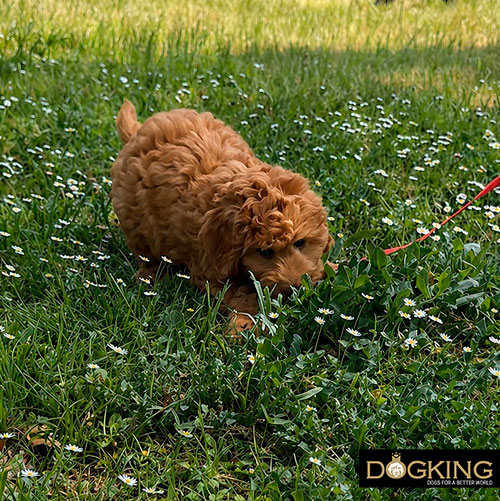
According to several scientific studies, dogs that are satiated at the time of exposure to grass are less interested in eating it, while hungry animals are more likely to engage in this behaviour. If your dog is hungry and finds something edible to soothe their stomach during their walk, it is logical that they will decide to ‘nibble’ on the grass. To prevent your pet from bingeing on grass (this could involve certain dangers, which we will discuss later), try to take them out for a walk after they have digested and is well satiated.
• Elimination of parasites
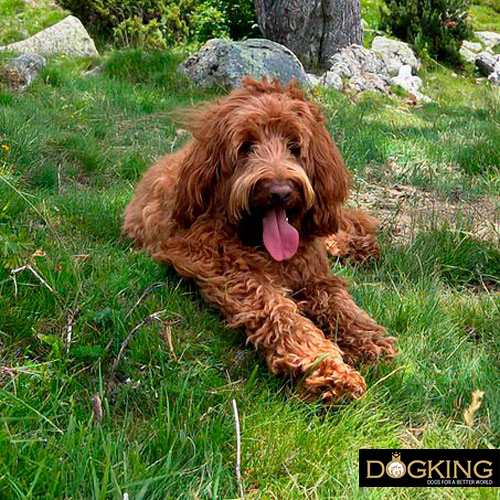
According to the study mentioned above, dogs eat grass to protect themselves from intestinal parasites. This behaviour seems to have been inherited from their wolf ancestors. By eating grass, dogs get a considerable amount of fibre, which helps to flush parasites from their digestive tract. This fibre also increases intestinal motility, which will also make it easier to expel worms and other parasites. However, just because your dog eats grass does not mean they have parasites at the time, it is simply an instinctive behaviour inherited from their ancestors.
• Purging the digestive system

If you think your dog has digestive discomfort (they have vomited before, eats less or the stools are abnormal) and you see them eating grass, then it is likely that they are doing so to purge themself. In such cases, the animal is likely to vomit. Grass, by irritating the stomach, increases the acid and thickness of the stomach wall, making it easier to vomit. However, this does not seem to be the reason behind most cases, as dogs often do not vomit after eating grass and have not previously shown symptoms of discomfort. If your dog seems fine and eats some grass but does not vomit or feel unwell, you can rest assured that this is a natural habit that is not dangerous in itself.
Is it bad for my dog to eat grass?
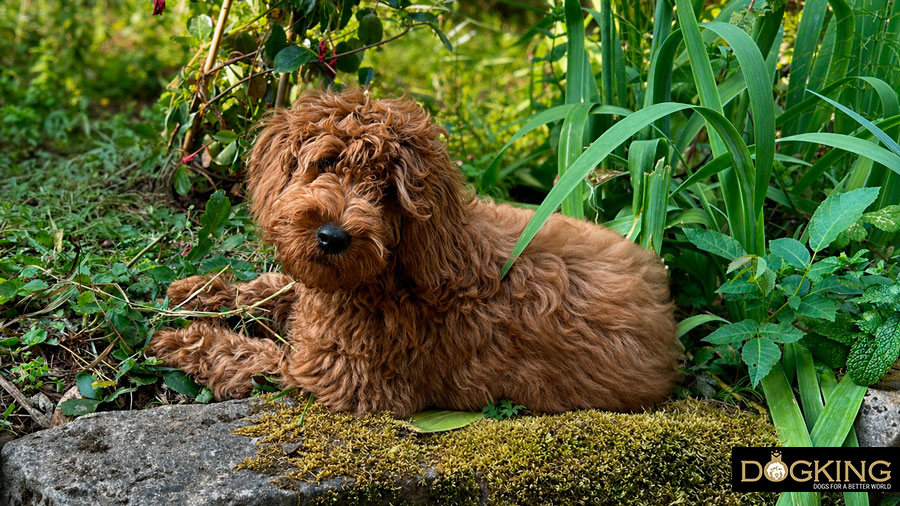
Eating grass is a very common habit for dogs, so the million dollar question is, can I let my pet eat grass? In itself it is not dangerous for your dog, the problem is that it could contain parasites or hide other plants that are toxic or even be treated with fertilisers that could cause poisoning. If the grass your dog eats is in your garden and you are sure that all the plants around it are safe for them, it is not so dangerous, but make sure they do not eat it for the reasons we have mentioned and even for the possibility that it could form a ball that could cause an intestinal obstruction. Also, as we said before, grass can irritate your dog's stomach lining, making them feel very unwell. Your dog does not need to eat grass, but a complete diet of meat and, to a lesser extent, fruit and vegetables.
Dogs that eat grass out of boredom
On the other hand, if your dog is a very anxious and recurrent grass eater, a visit to the vet is a good idea. Some anxious, bored or unmotivated dogs or dogs with obsessive disorders may develop this type of pica (an eating habit of eating unusual things that are not considered food). Try to offer your furry friend a varied and stimulating lifestyle, don't leave them alone for too long and feed them properly to ensure they don't eat grass because of behavioural problems.
In all other cases, don't worry if your dog eats a little grass. If you are unsure about the environment or whether it contains toxins, correct them with the words ‘let go’ or ‘come on’ if you have trained them, or simply correct their direction and walk in another direction if they do not put up too much resistance. If the dog becomes too fixated on the grass, tell them no, offer them a toy or other distraction and, when they are calm and have stopped trying to eat the grass, reward them with a treat.
Now you know that, in most cases, dogs eat grass instinctively. Do not allow your pet to ingest this plant and consult your veterinarian if you have any doubts about your pet's health or if you notice signs of indigestion or poisoning in your dog after they have eaten grass.