From wolf to dog: a brief history of their evolution
How, when and where did wolves become dogs?
THE ORIGINS OF THE DOG
Approximate reading time: 7 minutes
That the dog is man's best and most faithful companion is beyond doubt. In fact, this alliance between dogs and humans goes back thousands of years and has completely transformed the course of history. Without their invaluable help as hunters, guardians or shepherds, everything would undoubtedly have been different. The relationship between these animals and people has been forged since ancient times, when wolves were domesticated and became dogs.
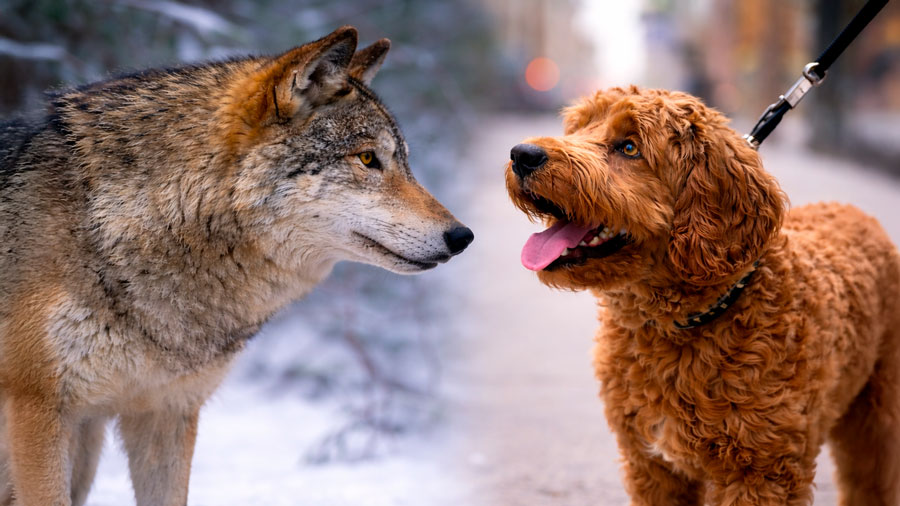
Today there are many theories as to how this came about and at what exact point in history and geography this evolution took place. What is clear to science is that all dogs today, regardless of breed or size, are derived from the grey wolf (Canis lupus lupus), although in the past there has been speculation about other animals such as the coyote and jackal. According to scientific evidence, wolves were domesticated somewhere in Eurasia between 14,000 and 29,000 years ago. Impressive, isn't it?
Table of contents
2. Why did wolves come close to humans?
3. Changes in the evolution from wolf to dog
4. From Egypt to the Renaissance: the dog through History
5. The dog today and breed variety
Two large groups of dogs
According to an international study published in the scientific journal Nature, which analysed 66 wolf genomes from different parts of the world and different eras, there are two major groups of wolves from which all modern dogs are descended, those from Eastern Eurasia and those from Western Eurasia. These groups eventually came together, with the former assimilating into the latter, and from them evolved the dogs as we know them. But what caused wild wolves to be domesticated?
Why did wolves move closer to humans?
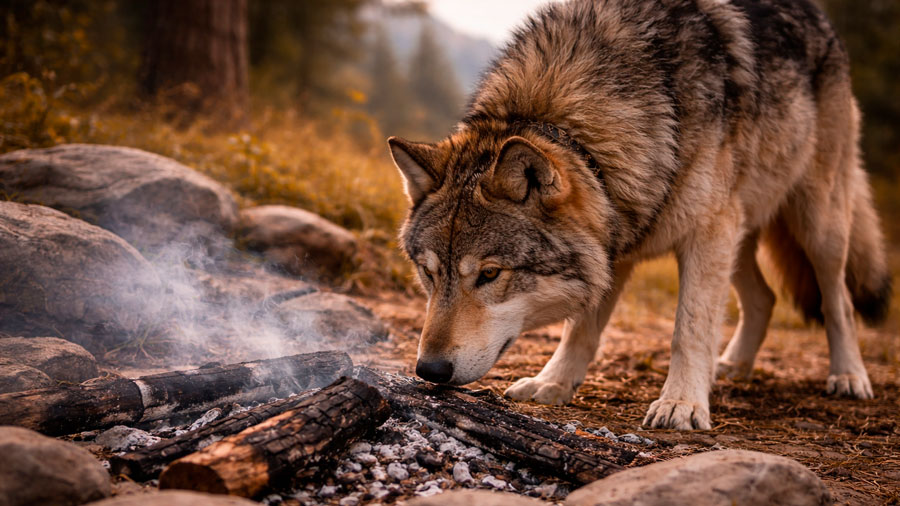
Several scientific studies agree in explaining that the relationship between humans and wolves, which was traditionally one of competition and rivalry for resources, changed at some point during the period mentioned above. According to this version, some packs became less elusive and this change in behaviour facilitated their domestication by humans, who soon realised how useful these companions could be to them.
However, there is some debate as to exactly how this closeness happened. Some studies suggest that it took place during a very cold period when the scarcity of food led some of the more sociable wolves to approach human campfires in search of scraps of food. Other theories, however, point to a surplus of meat as the reason for this alliance. Apparently, the people of that time could not metabolise the lean meat, which they began to feed to the wolves that approached them. This caused the animals to become more trusting and humans began to use them to help them in a variety of tasks.
Evolutionary changes from wolf to dog
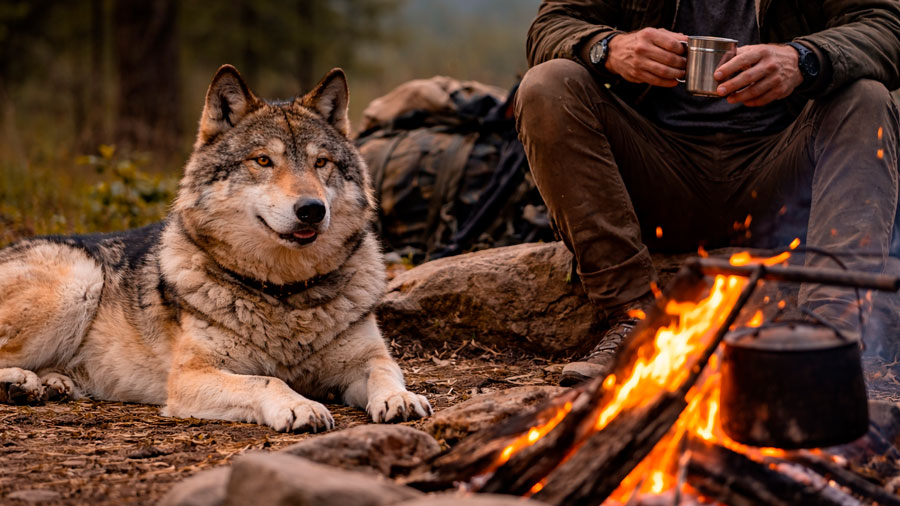
It is known that dogs became dogs when they were domesticated from grey wolves. This process caused them to evolve, transforming different aspects of their temperament and body. Over the years, their skull, teeth and paws decreased in size, and they gradually became more docile and sociable. Their close collaboration with people in work such as herding, hunting and even warfare deepened the dog-human bond, and these animals became increasingly adept at observing, deciphering and interpreting human expressions. Today, dogs are intelligent, social animals with a deep emotional world. But their temperament and their role in society have changed a lot throughout history.
From Egypt to the Renaissance: the dog through History
The dog is the first animal that humans domesticated, ahead of other farm animals such as cows, sheep and chickens. And the Egyptians were the first to actively use them to help in society. In this historical period, dogs were used for hunting, herding or guarding houses, but they were also great companions in the home and, in many cases, were even buried in tombs next to their owners, which speaks of a deep bond even back then.
In Ancient Greece, these animals were given a divine origin and were therefore considered superior to other species, which meant that in Roman times, dogs were not only soldiers, hunters and guardians, but also pets as we understand them today. Many kings and nobles of the time kept dogs at home as hunting companions and also as a member of the family. This whole new conception of dogs was consolidated in the Renaissance, when the first veterinary treatises were written to understand and preserve the health of these animals more efficiently.
The modern dog and variety of breeds
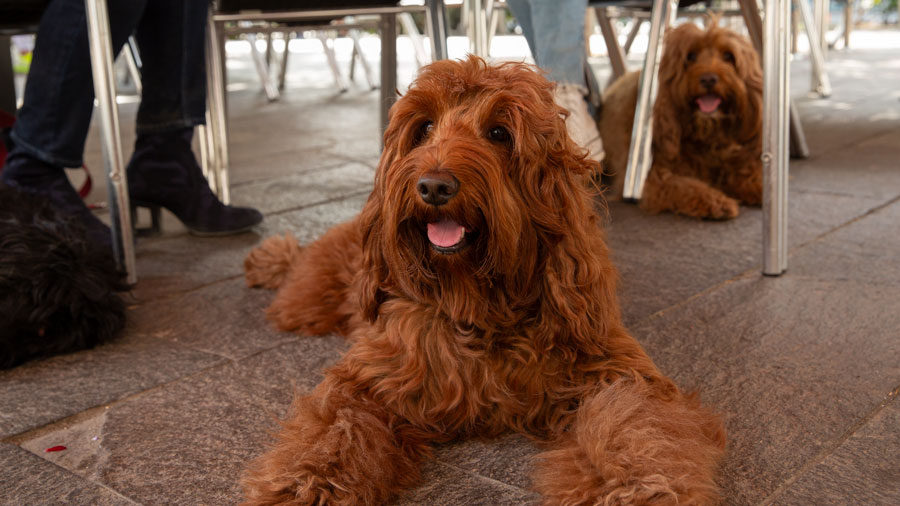
Today there are many varieties of dogs depending on their breed. This is due to the fact that in Victorian England, eugenics, the science that studies genetics for the improvement of the species, was developed, resulting in morphological and character differences between dogs. In this sense, according to a scientific study, the Basenji breed (which comes from Africa) is the oldest of all.
On the other hand, although they share a common ancestor, wolves and dogs are totally different animals. The domestication of these wild animals led to an evolution that resulted in many anatomical changes, such as shorter muzzles, drooping ears in some breeds and longer coats in some cases. In addition, there are also differences in digestion (dogs can digest starch, except in cases of intolerances, due to the inclusion of carbohydrates in many canine foods). The way they relate and organise themselves, the sounds they make, socialisation or the strength of the predatory instinct are other aspects that put distance between these two species. However, certain instinctive behaviours remain in dogs as an indelible trace of their wild past, such as digging (wolves used to do this to bury their prey), howling (to call the pack) or raising their paw to pee in the case of males, something they do to mark their territory.
Although we are talking about two very different animals, it is interesting to learn more about the origins of our beloved furry friends, who make us so happy day after day.