Australian Cobberdog, Cockapoo and other doodles: differences
Cockapoo, Goldendoodle, Bernedoodle and Cavapoo compared with a breed that has its own standard
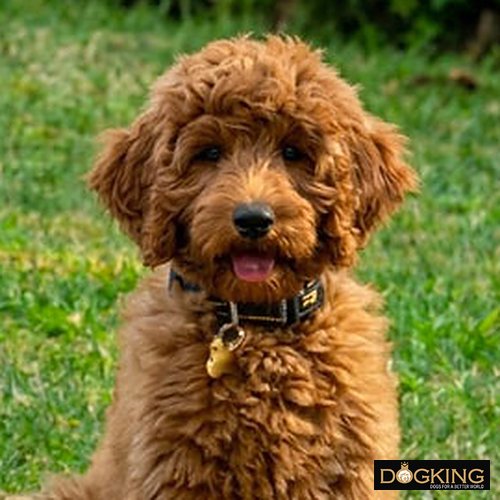
AUSTRALIAN COBBERDOG, COCKAPOO AND OTHER DOODLES: HOW DO THEY DIFFER?
Approximate reading time: 8 minutes
Cockapoo, Goldendoodle, Bernedoodle, Cavapoo... So-called “doodles” are very fashionable, and it is easy to confuse them with one another and with the Australian Cobberdog, because they all share one ancestor: the Poodle. However, a cross between two breeds is not the same as a breed with its own standard. In this article we explain exactly what a doodle is, take an in-depth look at the Cockapoo, describe the other most popular crosses and show how they differ from the Australian Cobberdog, so you can choose with all the facts and no surprises.
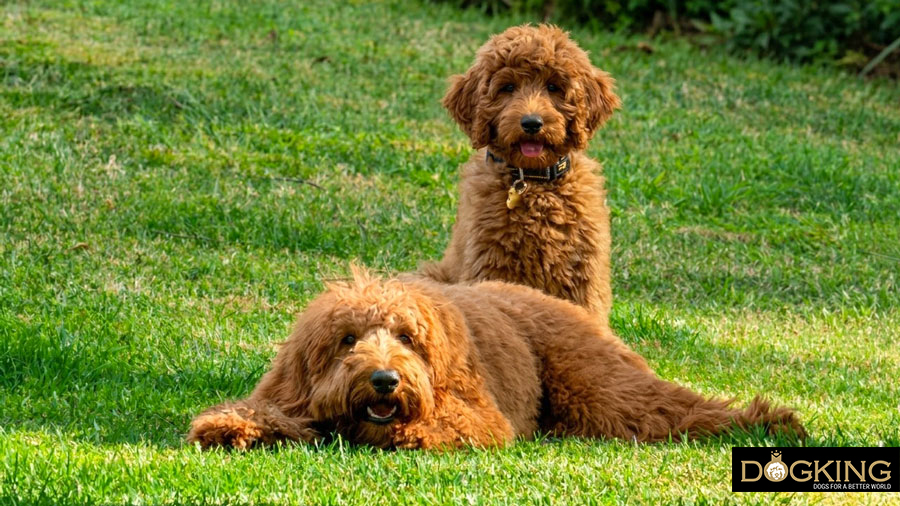
Kovu & Zira de DOGKING
Table of contents
• First generation and multigenerational
• Why almost all of them include the Poodle
• Origin: Cocker Spaniel and Poodle
• Size and appearance: it depends on the parents
• The coat: does it shed or not?
• If you fall in love with a Cockapoo
• Cavapoo
4. Where the Australian Cobberdog fits in
• A standard instead of a recipe
5. Frequently asked questions about the Cockapoo and other doodles
• Is the Cockapoo hypoallergenic?
• Is the Australian Cobberdog a doodle?
• Which doodle sheds the least?
• Do they need a lot of coat care?
• Which should I choose if someone at home has allergies?
What is a doodle?
“Doodle” is the informal name for dogs that result from crossing a Poodle with another breed, and their names usually combine the two parent breeds. Before comparing them, it helps to clarify three ideas.
• First generation and multigenerational
When people talk about doodles, you will probably come across abbreviations such as F1, F1b or F2. Not all breeders use them in exactly the same way, but generally they mean the following:
- F1 (first generation): the direct offspring of two different purebred dogs, for example a Cocker Spaniel and a Poodle.
- F1b: an F1 crossed back to a Poodle, usually to bring the coat closer to the Poodle’s.
- F2 and multigenerational: crosses between doodles, over one or several generations.
Each combination can produce very different puppies, even in the same litter, so the generation is the first thing you should ask about.
• Why almost all of them include the Poodle
The Poodle is chosen for its curly coat, which sheds very little, and for its intelligence. The idea is to add those qualities to those of another breed: the cheerfulness of the Cocker, the gentleness of the Golden or the calm of the Bernese Mountain Dog. But genetics is not a recipe: a puppy may inherit the Poodle’s coat, the other breed’s coat or a mixture, and the same goes for size and temperament.
• Breed or cross?
A cross is not a breed. To speak of a breed you need, among other things, a stable DNA sequence passed from parents to offspring, a single standard followed by all breeders, a register of breeding dogs and several generations bred to that same standard. That is what makes it possible to predict what a puppy will be like as an adult. Doodles do not meet these requirements: although there are clubs and associations, each breeder works to their own criteria.
The Cockapoo in depth
The Cockapoo is one of the most popular doodles in Europe, especially in the United Kingdom, and also one of the oldest. People love its manageable size, its friendly face and its reputation for being affectionate, but, like any cross, it has its nuances.
• Origin: Cocker Spaniel and Poodle
The Cockapoo comes from crossing an English or American Cocker Spaniel with a Poodle, usually a miniature or toy. The Cocker is an active hunting spaniel with a good nose and a strong attachment to its family; the Poodle contributes intelligence and its curly coat. Cockapoos have been bred for decades, but they are still not a breed: some breeders only produce first generations and others breed Cockapoo to Cockapoo, each with their own criteria.
• Size and appearance: it depends on the parents
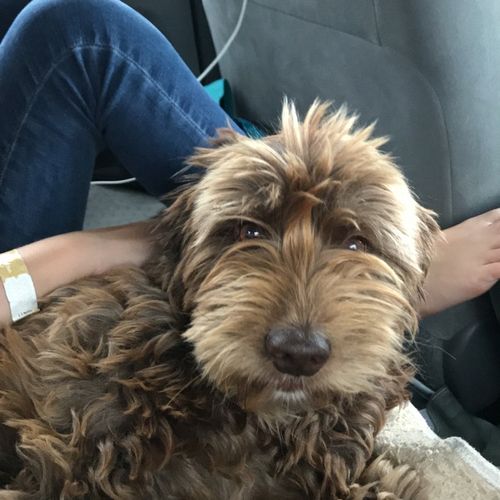
Cockapoo
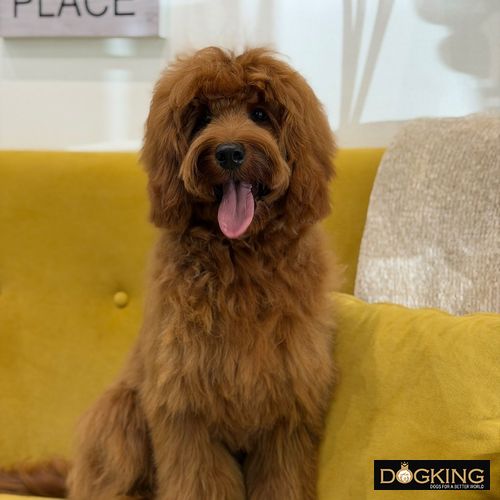
Australian Cobberdog DOGKING
Lia from DOGKING
There is no single Cockapoo size: it depends mainly on the Poodle variety used and the type of Cocker. Some Cockapoos are small and others are closer to a medium-sized dog. Their appearance also varies a lot: some have the long ears and expression of a Cocker, while others look more like a Poodle. Colours are very varied, because both breeds contribute them.
• The coat: does it shed or not?
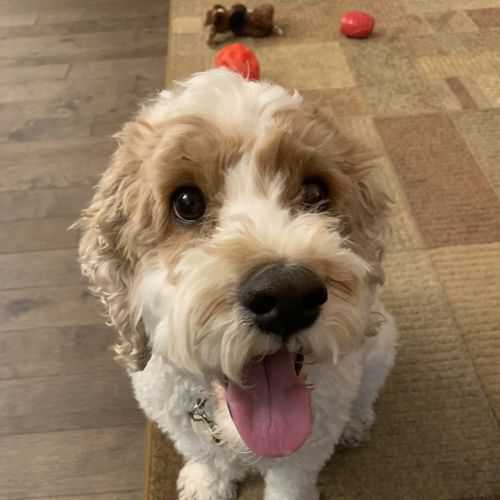
Cockapoo
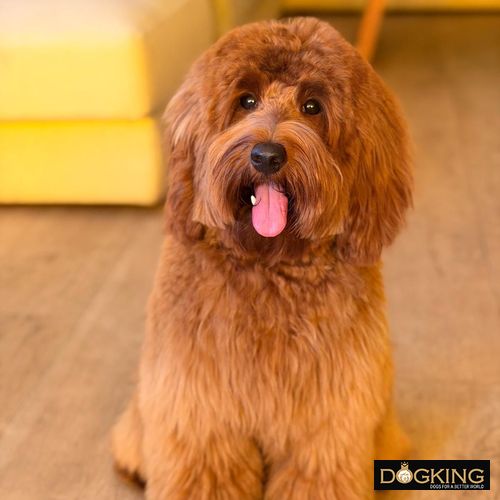
Australian Cobberdog DOGKING
Bilbo from DOGKING
This is the most common question, and the honest answer is: it depends. A Cockapoo’s coat can be straight, wavy or curly. Dogs with a curlier, Poodle-like coat usually shed little; those with a straighter, Cocker-like coat may shed more. That is why a Cockapoo is not hypoallergenic by definition, and if someone in your home is allergic to dogs you should not take it for granted. Its coat also needs frequent brushing to prevent tangles, especially on the ears.
• Temperament and energy
In general, the Cockapoo is a cheerful, sociable and playful dog that enjoys being with its family. From the Cocker it often inherits energy and a love of sniffing, so it needs walks, play and mental stimulation every day. Even so, as a cross, each dog’s temperament depends a great deal on its parents, and two Cockapoos can be quite different. If you want to know how much activity a dog needs depending on its type, we explain it in how much exercise your dog needs.
• If you fall in love with a Cockapoo
If you are thinking about a Cockapoo, these questions will help you know what to expect:
- Which generation is it: F1, F1b or multigenerational?
- Which Poodle variety and which type of Cocker were used?
- Can I meet the parents and see what their coat and temperament are like?
- What health tests have the parents had?
- What size and coat type have other litters from the same parents had?
A good breeder, whatever the breed, will answer you openly.
Other popular doodles
There are other Poodle crosses you will often come across. They all share the same limitation: their characteristics depend on the specific combination of parents.
• Goldendoodle
This is the cross between a Golden Retriever and a Poodle. People look for it because of the Golden’s friendly, family-oriented temperament. With a large Poodle, the result is a medium to large dog with plenty of energy when young. Its coat ranges from wavy to curly, and shedding varies from dog to dog.
• Bernedoodle
It combines the Bernese Mountain Dog with the Poodle. It stands out for its looks, often tricoloured like the Bernese, and for its calm nature. With a large Poodle it can be a big dog. As with other doodles, the coat type is not guaranteed.
• Cavapoo
This is the cross between a Cavalier King Charles Spaniel and a Poodle, usually a toy or miniature. It is a small, very companionable dog that loves being close to its people. Its coat may be straighter, like the Cavalier’s, or curlier, like the Poodle’s.
• The Labradoodle in brief
The Labradoodle is the original doodle: Wally Conron created it in Australia by crossing a Labrador with a Poodle to obtain a guide dog for a blind woman whose husband was allergic to dogs. Its success led to it being bred without criteria and losing its purpose, and that is how the Australian Cobberdog came about. We explain all the differences between the two on our page differences between the Labradoodle and the Australian Cobberdog.
Where the Australian Cobberdog fits in
The Australian Cobberdog often appears in lists of doodles, but it is not a cross: it is a purebred with its own DNA sequence, recognised by the MDBA since January 2012. It shares its origins with the Labradoodle, but it is bred to a single breed standard.
• A standard instead of a recipe
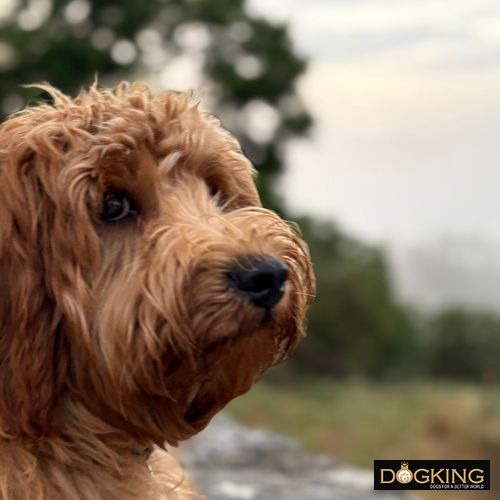
Kobe de DOGKING
The key difference lies in the method. With doodles, each breeder decides what to mix and in which generation. There is only one type of Australian Cobberdog, with a single standard for all breeders worldwide, and the MDBA registers the breeding dogs, issues the pedigrees and controls infusions of other breeds. What is more, the aim of the breed is not aesthetic: it is to achieve a hypoallergenic dog with a balanced temperament and great potential for therapy and assistance work.
• What it means for you
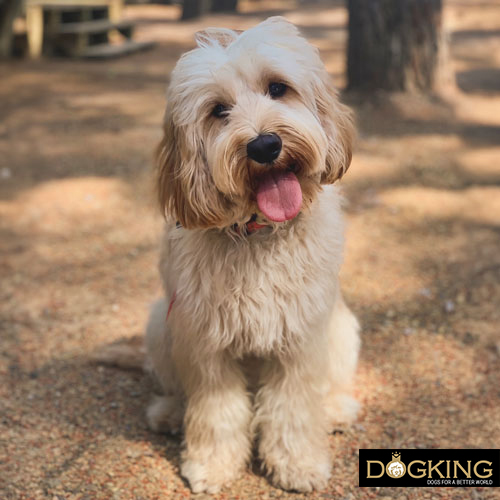
Obi de DOGKING
In practice, this means predictability: what you see in the parents is what you can expect from the puppies. At DOGKING, all the parents of our puppies are medically certified as hypoallergenic dogs. And if you have allergies, you can come and meet them or ask us for the Allergy Test T-shirt to check your reaction from home. We explain it on our page about the hypoallergenic dog, and you may also be interested in the article why Australian Cobberdogs are hypoallergenic.
Frequently asked questions about the Cockapoo and other doodles
• Is the Cockapoo hypoallergenic?
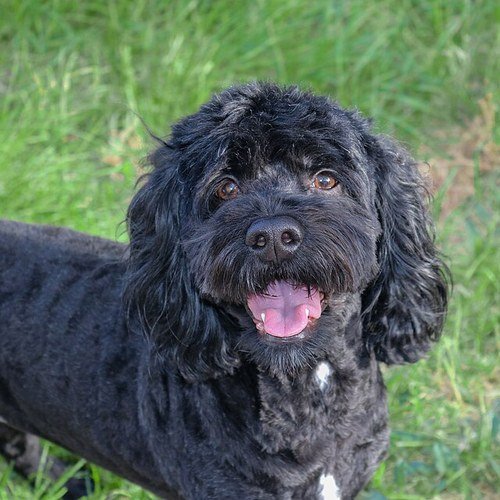
It cannot be guaranteed: it depends on the coat each puppy inherits, and no dog is hypoallergenic for everyone. What triggers the reaction is not the hair itself but a protein found in saliva and skin flakes, which the hair spreads around the house when it falls out. That is why it matters so much whether a dog sheds or not.
• Is the Australian Cobberdog a doodle?
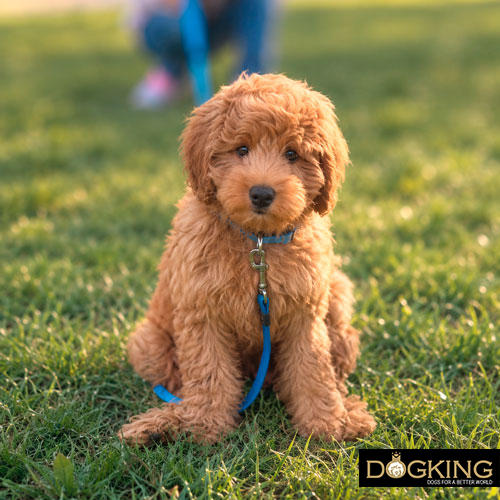
Bruno de DOGKING
It is related to the Labradoodle, but it is not a cross. It is a purebred with a single standard, its own DNA and pedigrees issued by the MDBA, so its traits are maintained from one generation to the next.
• Which doodle sheds the least?
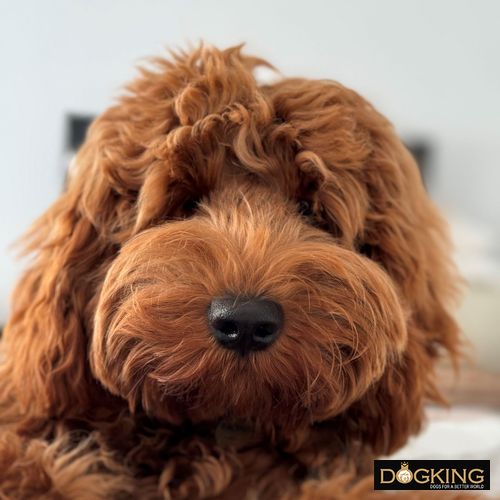
Waffles de DOGKING
There is no fixed answer by type of doodle: in all of them it depends on the generation and on each individual dog, although curlier coats usually shed less. The Australian Cobberdog, on the other hand, has a single-layer coat that does not shed, as a characteristic of the breed.
• Do they need a lot of coat care?
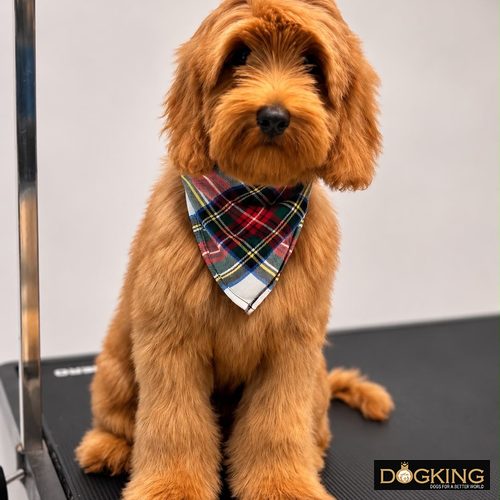
Cooper de DOGKING
It depends on the coat. Curly coats, like those of many Cockapoos, tangle easily and are harder to brush. Australian Cobberdogs have a straight or wavy coat that is easy to brush. We give you ideas in how to get a dog used to brushing, and on our care and grooming page we explain how to look after a Cobberdog’s coat.
• Which should I choose if someone at home has allergies?
If allergies are a deciding factor, look for predictability: a dog whose coat does not shed and whose parents have been tested. Before deciding, spend time with adult dogs of the same type and, if possible, with the puppy’s parents. And if you are interested in the Australian Cobberdog, take a look at our available puppies or contact us to answer your questions.
Cobberdogs from our families
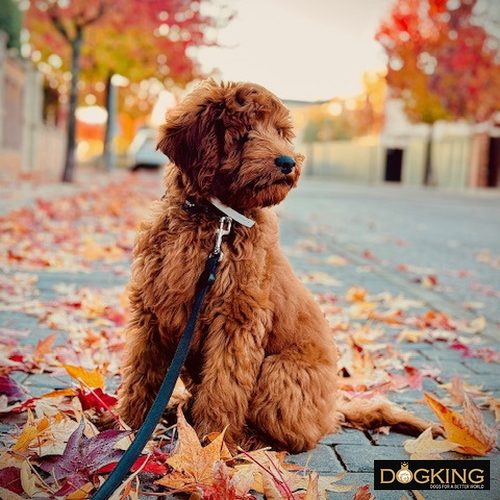
Onyx de DOGKING
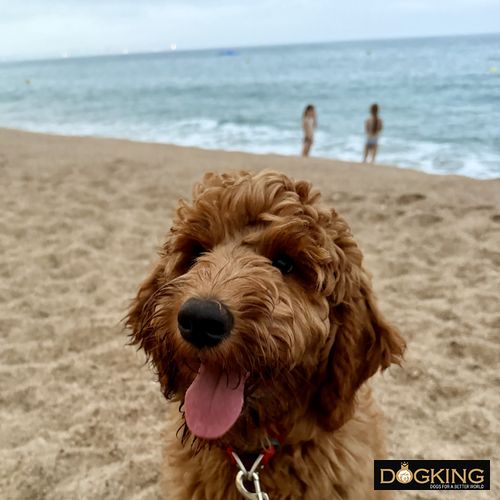
Trufa de DOGKING
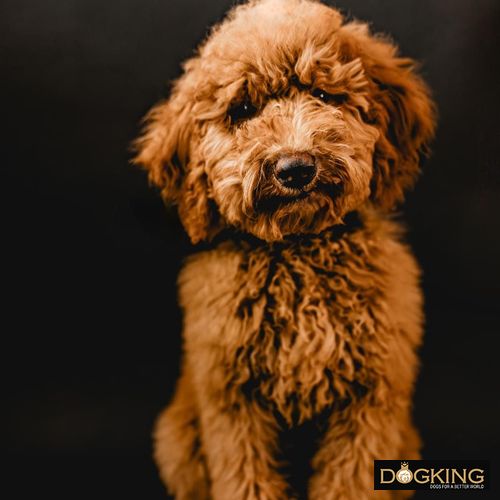
Eki de DOGKING
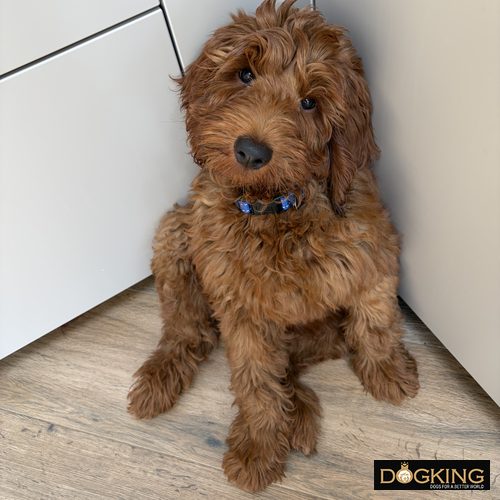
Lenny de DOGKING